
Concentration and Absorption States
Developing a strong concentration ability is one of the core pillars of meditation practice. No matter what the object of focus, being able to hold our attention in place for extended periods of time is the basis for a lot of other aspects of practice.
Jump to section
This typically begins by learning to focus on the breath at the tip of the nose or on the rising and falling of the abdomen. Most people, when they start, aren’t able to keep their attention in place for more than a few seconds before they’re dragged off into thoughts. It’s a slow process that requires constantly bringing attention back to the meditation object. Over time, the process of recognizing you’re lost in thought and coming back to the breath starts to happen automatically.

As your mind gets more stable and focused, more of your cognitive power is able to be directed to the object of focus and you’ll begin to notice progressively more subtle sensations that were previously unavailable to you. What used to be a vague cloud of sensations becomes crystal clear and detailed, giving your mind even more to anchor to. This creates a feedback loop, allowing you to strengthen those concentration pathways even further.
Aspects of Concentration
Concentration for Noting and Insight
Noting is the act of mentally labelling or simply noticing the sensations that make up our experience as they arise. Having a highly concentrated mind helps you notice and move between these sensations quickly, without distraction. If your mind is being pulled all over the place, your experience becomes vague and muddy, making it harder to see what’s actually happening in each moment.
The same goes for insight practice where you’re intentionally trying to deconstruct aspects of your experience. A stable mind is the solid ground to stand on while engaging in all of these practices.
Unifying the Mind
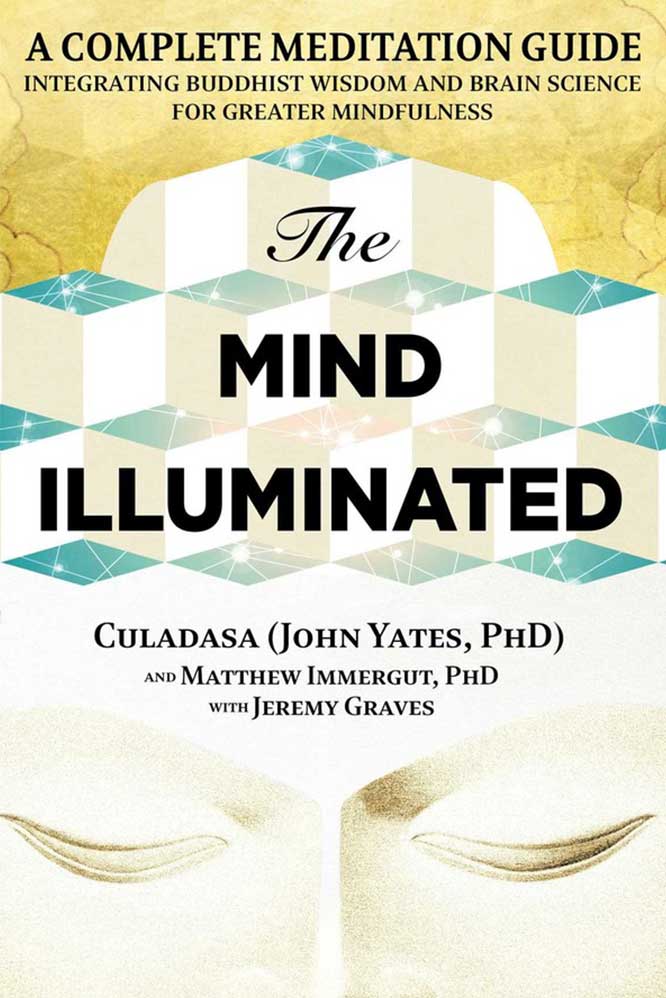
This is one of the major goals when working with the book The Mind Illuminated. There are multiple chapters dedicated to this, but I’ll give a simple overview. What we refer to as the mind is actually made up of many “sub-minds,” including one for each of the five senses, along with thinking, emotional, and narrative sub-minds.
Throughout the day these sub-minds all compete for our attention depending on what information they’re receiving. By repeatedly training your concentration and returning to the meditation object, the sub-minds gradually learn to stop competing. When this process goes far enough, the mind becomes unified around whatever task it’s given, making it a highly refined tool that can effortlessly shift focus without getting distracted.
Access Concentration
I can’t remember where I heard the phrase “slipping into a groove” but it’s my favourite description for the experience of access concentration. While practicing, initially you may be using quite a bit of effort to maintain awareness and to keep your mind focused on the meditation object.
After practicing with that stabilized attention for some time, your mind may feel like it slips into a groove. Suddenly there’s a lot less effort required to maintain your mental qualities. Your mind is settled, your concentration is locked in, and your body is relaxed. You can’t drop your effort altogether, but it’s as if a large portion of the practice happens on its own. This state is really important if you’re interested in working with the Jhanas.
Jhanas or Absorption States
This is where meditation gets a little more esoteric. The Jhanas are eight distinct mental absorption states that can be accessed through deep concentration. These states have been reliably accessed since the time of the Buddha, and some people view them as the beginning of true meditation.
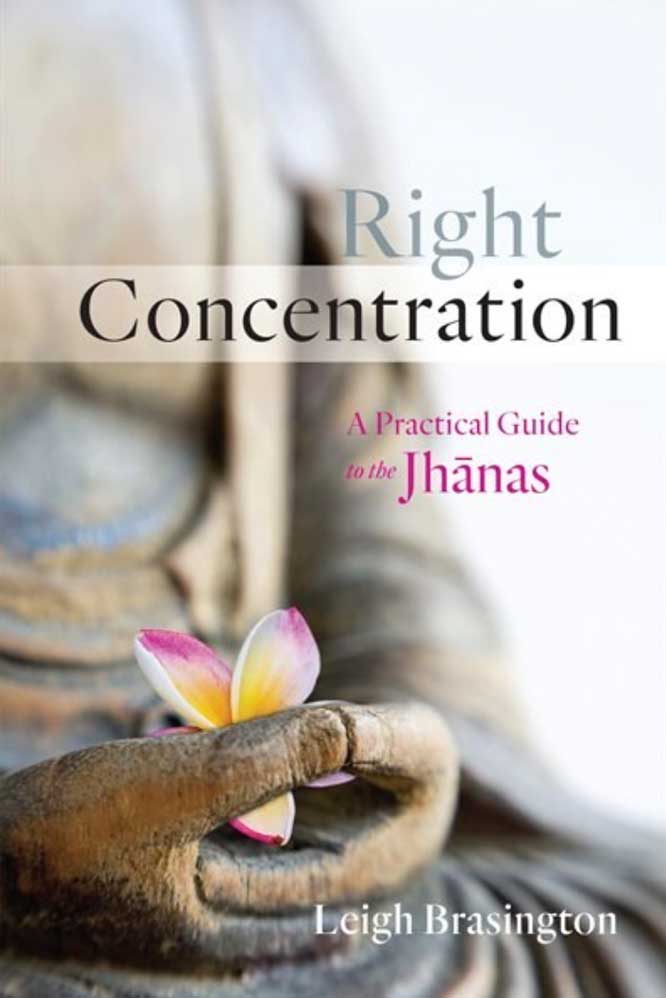
In the book Right Concentration by Leigh Brasington, the Jhanas are taught as a progression where you must first develop the ability to consistently get “access concentration.” From there, you direct the mind toward a specific sensation or aspect of consciousness until your entire mind and body are fully absorbed into it.
The experience of each one is different, and they range from intense levels of happiness or deep peace to dissolving your sense of the body and mind into an expansive void. These states can be deeply profound, healing, and beneficial for other aspects of meditation practice.
Concentration Practices & Resources
Kasina Practice
Kasina practice uses a visual object like a candle flame or a light as your point of focus. It’s a more externally focused practice which can be helpful for people whose minds are busy when they close their eyes and turn inward. It can be a fun way to practice and is very effective at developing good concentration.
The practices are designed to keep your mind active, giving it a lot to focus on so you’re less likely to get dragged into mental chatter. These can be used as your primary practice but I found them most useful as a warmup to help stabilize and focus my mind before doing other work like insight practices.
Kasina / Fire Kasina
The method here is pretty straightforward. Place a bright object like a candle flame or bright circle on a screen a few feet in front of you and gently stare at it for a while. Then close your eyes and try to observe the after-image behind your eyelids, staying with it for as long as possible. Once the image fully disappears you start the process over.
Vince Horn of Buddhist Geeks created a web app dedicated to Kasina practice that you can find below. If you go into the “Visual” section and select “Color Kasinas”, you’ll find a series of guided practices. There’s also a wide range of other visual objects to use once you understand the technique.
Walking Meditation
Walking meditation is a great tool for developing both concentration and awareness. It’s a really nice change up from seated practice and helps to bridge the gap between formal practice and daily life.
Rather than keeping your attention on the breath, in this practice your object of meditation is the sensations of your feet. You’re trying to anchor your attention on each foot as you lift, move, and place it.
Continue withWalking Meditation